
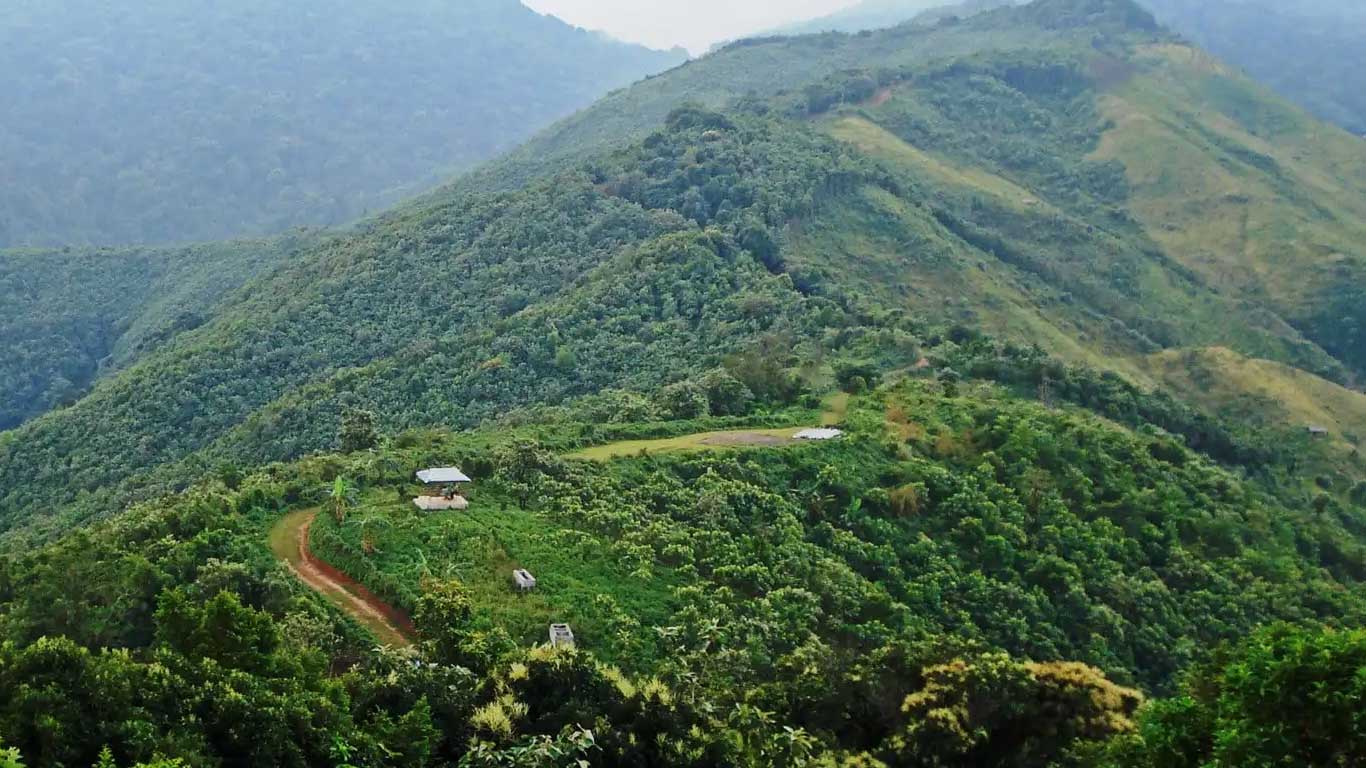

Garo Hills, Meghalaya – The Untamed Heart
Tucked away in the western part of Meghalaya, the Garo Hills remain one of the least commercialised and most authentic regions of Northeast India. While most travellers know Meghalaya through Shillong, Cherrapunjee or Dawki, the Garo Hills quietly offer something deeper – raw forests, rare wildlife, ancient caves, dramatic river valleys and a living tribal culture that has resisted hurried tourism.
Geographically, the Garo Hills form the western segment of the Shillong Plateau, flanked by the Khasi Hills in the centre and the Jaintia Hills to the east. Spread across roughly 8,000 square kilometres, the region is named after the indigenous Garo people, whose cultural identity is inseparable from the land. Dense forests, rolling hills, deep gorges and rich biodiversity define this part of Meghalaya, making it ideal for travellers interested in nature, wildlife, culture and slow exploration rather than rushed sightseeing.
Administratively, the region is divided into East Garo Hills, West Garo Hills, North Garo Hills, South Garo Hills and South West Garo Hills. The town of Tura functions as the cultural and logistical hub of the region, while Nokrek Peak, the highest point in the Garo Hills, dominates both the geography and ecological importance of the area.
Getting to Garo Hills – Access and Connectivity
Despite its remote feel, the Garo Hills are reasonably accessible by road. Guwahati Airport and Railway Station in Assam remain the most practical entry point, located approximately 220 kilometres away, with a driving time of about five to six hours, depending on road conditions and weather. This route is preferred by most travellers booking organised Garo Hills tour packages.
The second option is via Shillong, though the drive takes longer, often six to seven hours, due to winding hill roads and traffic congestion near the capital. Roads within the Garo Hills have improved in recent years, but travellers should still expect slower travel speeds, especially during or after the monsoon.
Public transport exists in the form of shared sumos and buses, but for flexible sightseeing and visiting national parks, a private vehicle or guided tour is strongly recommended.
Nokrek Biosphere Reserve – The Ecological Crown Jewel
The Nokrek Biosphere Reserve is the most significant natural attraction in the Garo Hills and one of Meghalaya’s most important protected areas. Recognised by UNESCO in 2009, Nokrek is not just a national park but a global biodiversity hotspot.
The reserve is famous for hosting highly endangered species such as the red panda, Asian elephant, clouded leopard and the extremely rare stump-tailed macaque. Birdlife is equally impressive, making the area attractive to serious birdwatchers and wildlife photographers.
One of Nokrek’s most remarkable contributions to global agriculture is the presence of Citrus indica, the wild orange. Considered the ancestor of all cultivated citrus varieties, this primitive species is found nowhere else in the world outside the Garo Hills. This single fact alone places Nokrek on the global conservation map.
Access to Nokrek is regulated, and travellers should plan visits with local guides or organised wildlife and eco-tourism packages, both for safety and for minimising ecological impact.
Balphakram National Park – The Land of Spirits and Canyons
Located in the South Garo Hills, Balphakram National Park is wrapped in folklore, mystery and dramatic landscapes. Often called the “Land of Spirits” by local communities, the park features vast plateaus, deep canyons and unusual rock formations.
Wildlife sightings may include wild water buffalo, marbled cat, deer, tiger, red panda and a wide range of bird species. The canyon landscapes, shaped by centuries of erosion, make Balphakram visually distinct from Nokrek, offering a very different kind of wilderness experience.
Due to its remoteness, Balphakram is best visited as part of a multi-day Garo Hills itinerary, ideally with experienced local operators.
Waterfalls, Caves and Rivers of Garo Hills
Beyond its national parks, the Garo Hills hide several lesser-known but spectacular natural attractions. Rongbang Falls, a tributary of the Simsang River, offers a dramatic cascade framed by dense greenery, especially impressive after the monsoon.
The Siju Caves, among the longest limestone cave systems in India, are another highlight. Located beside the Simsang River, these caves are also known as Bat Caves due to the numerous bat species found inside. For adventure travellers and speleology enthusiasts, Siju provides a rare and authentic cave exploration experience.
Closer to Tura, Pelga Falls, around seven kilometres away, remains a popular local recreation spot. Visitors often combine fishing, picnics and relaxed sightseeing here, making it a pleasant half-day outing.
Local People, Food and Living Culture
The Garo people trace their origins to Tibet and speak a Sino-Tibetan language. One of the most distinctive features of Garo society is its matrilineal system, where lineage and clan identity pass through the mother. Property inheritance and social structure reflect this deeply rooted tradition.
Christianity has had a strong influence over the last two centuries, and today most Garos follow the Christian faith. Festivals like Christmas are celebrated with great enthusiasm, blending church traditions with local customs.
Food in the Garo Hills is simple, hearty and closely tied to the land. Rice forms the staple diet, accompanied by millet, maize, vegetables and forest produce. Non-vegetarian dishes featuring pork, beef and goat meat are common. Minil Bichi, a traditional rice-based liquor, remains an integral part of social and ceremonial life.
Traditional houses, constructed using timber, bamboo and cane, still dominate rural areas, adding to the region’s rustic charm.
Wangala Festival – The Soul of Garo Hills
The most important cultural event in the Garo Hills is the Wangala Festival, a post-harvest celebration held in October or November, most famously in Asanang village. Dedicated to the Sun God, the festival features rhythmic drum beats, traditional dance forms and vibrant costumes. For cultural travellers, planning a trip around Wangala offers a rare opportunity to experience Garo traditions at their most expressive.
Weather in Garo Hills – When to Plan Your Trip
The best time to visit Garo Hills is between September and May, when the weather remains comfortable and suitable for sightseeing, wildlife exploration and village visits. Winters are mild, with pleasant daytime temperatures, making them ideal for extended travel.
The monsoon months from June to August bring heavy rainfall. While the forests turn lush and waterfalls are at their best, road travel becomes unpredictable, and access to remote areas like Balphakram may be restricted. Monsoon travel is best suited only for experienced travellers with flexible schedules.
Accommodation and Stay Options
Accommodation in the Garo Hills is still modest compared to other parts of Meghalaya. Basic hotels and guesthouses in Tura provide comfortable stays for most travellers. In recent years, homestays and eco-lodges have slowly emerged, offering more immersive experiences in villages and forested areas.
Luxury hotels are limited within the Garo Hills themselves, but well-planned custom tour packages balance comfort with authenticity by selecting the best available stays.
Why Explore Garo Hills with NBTT
The Garo Hills are not a destination for rushed sightseeing. They demand local knowledge, careful planning and respect for nature and culture. NBTT Travel Solution Private Limited (NBTT) specialises in curated Northeast India journeys, combining wildlife, culture and offbeat exploration.
If you are looking for Garo Hills tour packages, personalised itineraries, experienced local guides and seamless logistics, get in touch with NBTT at +919733300696. Whether you want a wildlife-focused itinerary, a cultural deep-dive or a slow-paced nature holiday, NBTT ensures your journey goes beyond the obvious.
Frequently Asked Questions about Garo Hills
Is Garo Hills safe for tourists?
Yes, the Garo Hills are generally safe for travellers. However, due to remote terrain, it is advisable to travel with local guides or organised tours.
How many days are ideal for exploring the Garo Hills?
A minimum of four to five days is recommended to cover Tura, Nokrek and nearby attractions comfortably.
Are permits required to visit Garo Hills?
Indian citizens currently do not require special permits. Regulations may apply to certain protected forest areas.
Can Garo Hills be combined with Shillong or Cherrapunjee?
Yes, many travellers combine the Garo Hills with Shillong or Cherrapunjee, though additional travel days are needed.
Is Garo Hills suitable for family travel?
Yes, families interested in nature and culture will enjoy the region, provided expectations are set for basic infrastructure in remote areas.
Quiet, wild and culturally rich, the Garo Hills remain Meghalaya’s most understated treasure. For travellers willing to slow down and look deeper, this region offers stories, landscapes and experiences that stay long after the journey ends.
East Himalaya
-
Address:NBTT Travel Solution Private Limited, 19, MN Sarkar Road, Sevoke More Siliguri, State : West Bengal, Country : India. PIN : 734001
-
Call Us at:
+91-9733300696 -
Mail Us:
info@east-himalaya.com
